What does mold look and smell like during a showing?
Mold smells musty and damp, often stronger in a basement, bathroom, or a closet with plumbing behind it. Visually it shows as black, green, white or dark furry spots, while yellow or brown stains usually mean water damage that may or may not have mold growing in it yet.
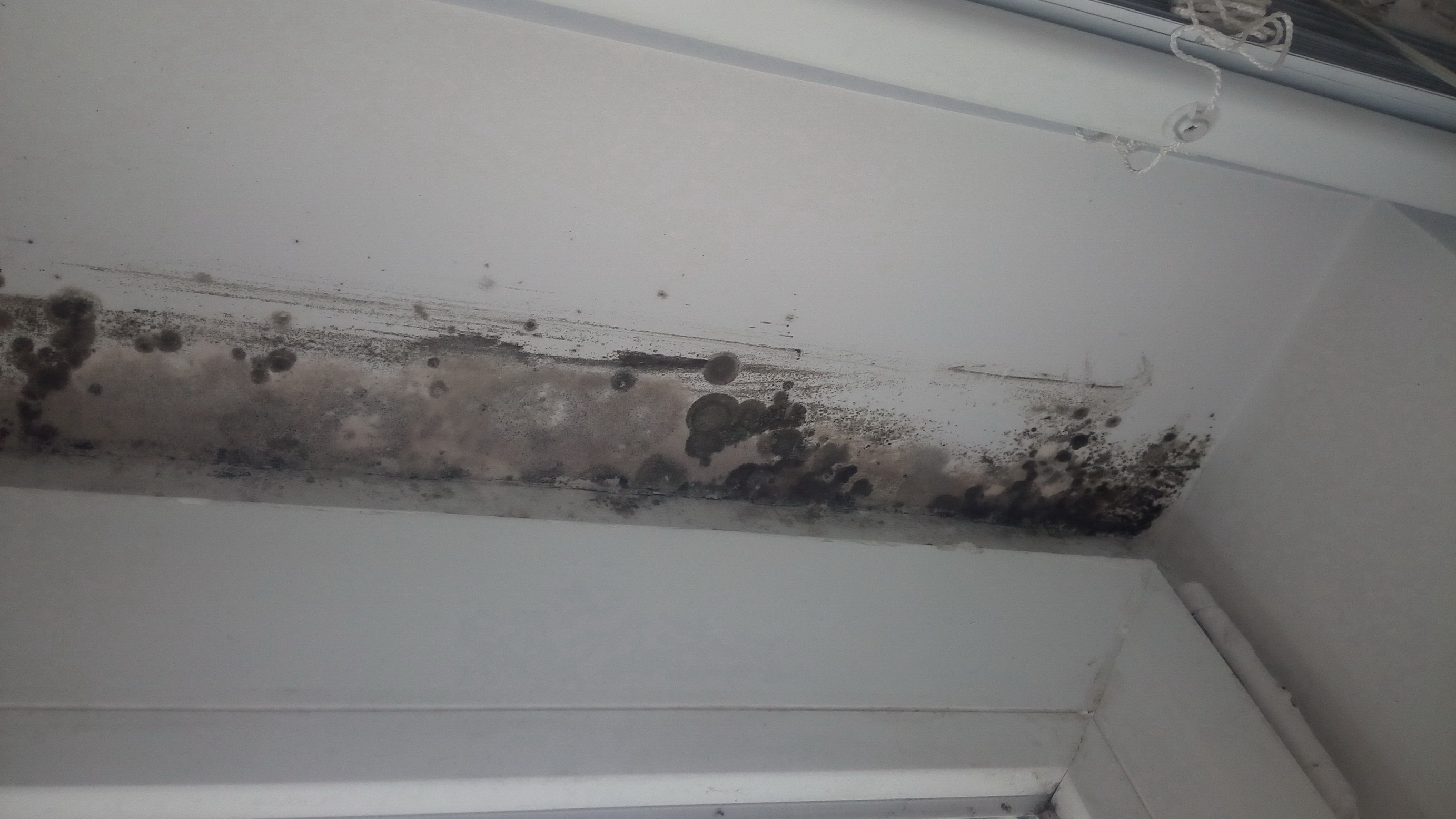
Walk in and take a breath before you get distracted by the kitchen. Smell fades from your attention fast once you start talking to the agent or looking at finishes, so it's worth registering in the first thirty seconds, room by room, rather than trying to recall it later.
Where does moisture hide in a house?
Bathrooms and kitchens with older plumbing, basements and crawl spaces with poor ventilation, and closets built around plumbing walls are the three places to check first. All three combine the two things mold needs: a water source and limited airflow.
| What you notice | What it means | Typical cost | Verdict |
|---|---|---|---|
| Musty odor, strongest in basement, bathroom or a closet | Trapped moisture, mold likely even without visible growth | $250 - $700 to test and confirm | price |
| Visible black, green or white spots on walls or ceiling | Active mold growth | $1,125 - $3,750 to remediate | price |
| Yellow or brown staining on ceiling or walls | Past or ongoing water intrusion, mold risk even if dry now | Source repair + possible remediation | price |
| Warped drywall, bubbling paint, or a spongy floor | Moisture trapped behind the surface | Varies with extent of hidden damage | walk |
| Windows fogging or condensation between panes | Excess humidity or a failed window seal, both feed mold risk | See windows-and-doors guide | note |
Fresh paint in an odd place, a single basement wall, just the ceiling in one room, is worth a second look rather than a reassurance. It's a common, cheap way to cover a stain right before a showing, and it's exactly the kind of thing a walkthrough is good at catching precisely because you're moving through the whole house, not just admiring the kitchen.
Is visible mold a deal-breaker?
Not by itself. Visible mold with an identified, fixed moisture source is a remediation cost to negotiate. Visible mold with an active, unaddressed leak is a different problem, since remediation without fixing the source means the mold comes back.
Ask what caused it, not just how much it'll cost to clean up. A one-time event, a supply line that burst and was repaired, a roof leak that's since been fixed, is a contained problem. An unexplained or currently damp area is an open one, and it's worth more caution than the square footage of visible growth would suggest on its own.
What does mold remediation cost?
Remediation runs $1,125 to $3,750 on average, priced at $10 to $25 per square foot of affected area. Confined spaces or work that requires opening a wall cavity push that to $15 to $30 per square foot or more.
Testing to confirm the problem before remediation runs $250 to $700. Post-remediation clearance testing, to confirm the job actually worked, adds another $200 to $500 and is worth insisting on if you're the one paying for or negotiating the remediation, since a skipped clearance test is how mold problems quietly come back.
When do you need a moisture meter or a professional test?
A moisture meter is worth carrying if you're seriously considering a house with any musty smell or staining, since it turns a guess into a number. A professional test is worth booking when the finding is significant enough to affect your offer, not for routine confirmation.
A basic pinless moisture meter runs $17 to $56 and reads moisture through drywall or wood without puncturing it, which matters when you're a guest in someone else's house. It won't identify mold species or confirm air quality, that's what the $250 to $700 professional test is for, but it will tell you in seconds whether a suspicious wall is actually wet.
Questions buyers ask
- Does a musty smell always mean mold?
- Not always, but it always means excess moisture somewhere, and moisture is what mold needs to grow. Treat a musty smell as a reason to look closer, not as proof by itself.
- Can you buy a house with mold?
- Yes, and many buyers do, especially when remediation cost is negotiated into the price. The bigger question is whether the moisture source causing the mold has been fixed, since remediation without fixing the source means the mold comes back.
- Does homeowners insurance cover mold?
- Usually only when it results from a covered, sudden event like a burst pipe, not from long-term humidity, a slow leak, or poor ventilation. Most policies specifically exclude gradual moisture damage, which covers most real-world mold cases.
- What is the difference between mold and mildew?
- Mildew is a surface-level fungus, usually white or gray and powdery, that wipes away easily and stays on the surface. Mold grows into the material it’s on, is often black, green or dark, and requires remediation rather than cleaning.
Related checks
Cost figures: Angi, HomeAdvisor, HVAC Base and Palm Build 2026 mold remediation and testing pricing guides. Figures are national averages current as of September 2026.